
Justinian's 537 masterpiece, with a dome that seems to float.
Tour Overview
Your Istanbul Travel Agency for Historical & Cultural Turkey
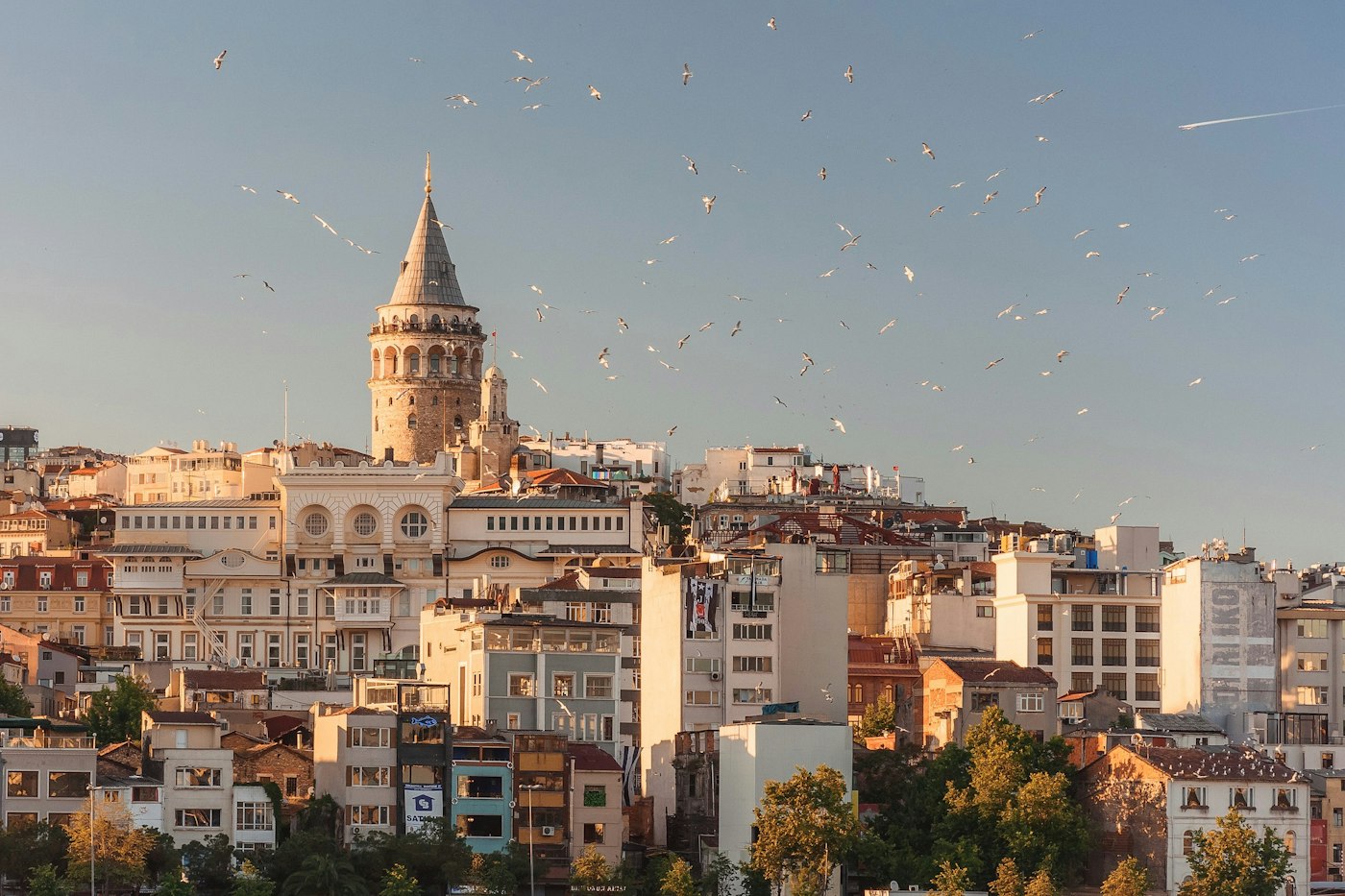


Istanbul is not simply a destination to visit. It is a city to experience, and the Istanbul travel agency you choose decides whether you see its best side. Straddling Europe and Asia, the city was the capital of the Roman, Byzantine and Ottoman empires for more than sixteen centuries. Imperial domes share the skyline with ferries, spice markets and tea gardens, and a first-time visitor can lose precious days to queues, taxis and guesswork. The History Travel exists to remove that friction.
We are a local Istanbul tour operator, founded in 2007 by two professional Istanbul guides who wanted to serve travellers personally instead of processing them in crowds. We plan private Istanbul tours, small group tours, customised Turkey itineraries and Turkey package tours for people who care about historical Turkey and cultural Turkey: Hagia Sophia, the Blue Mosque, Topkapı Palace, the Grand Bazaar, the Bosphorus and the stories behind them.
Because we live and work here, we know which gates open first, when the bazaars are calm, which restaurants are worth a table and which hotels fit which traveller. That local knowledge turns an ordinary Istanbul tour into something personal, relaxed and well organised.
Our services cover the whole journey: airport transfers, hotel booking assistance, Bosphorus cruises, licensed professional guides, food and culture experiences, and onward travel to Cappadocia, Ephesus, Pamukkale, Antalya and Fethiye. One team, one conversation on WhatsApp, and no surprises on the day.
Rated 5.0 from 33 reviews on Tripadvisor, our guests describe the same things again and again: honest advice, flexible plans and guides who treat them like guests in their own home. See more, understand more, travel comfortably and experience Turkey personally.
Our Istanbul tours are perfect for
History lovers Families with children Couples Photographers Friends & groups First-time visitors Mature travellers
Topic Highlights
What Makes This Istanbul Tour Special
Local Istanbul Experts Since 2007
Founded by two professional Istanbul guides, so every plan comes from real, everyday knowledge of the city.
Byzantine & Ottoman Heritage
Hagia Sophia, the Blue Mosque and Topkapı Palace explained as one connected story, not a list of monuments.
Licensed Professional Guides
Clear, personal storytelling in English and other languages, with pace set by your group.
Private or Small Group
Choose your own pace with a private tour, or share the cost on a small-group departure.
Customised Itineraries
Every journey is built around your interests, dates, budget and travel style.
Door-to-Door Comfort
Airport transfers, air-conditioned vehicles and hotel advice from arrival to departure.
Direct WhatsApp Contact
Talk to the people who plan your trip, before you book and while you travel.
Istanbul and All of Turkey
Extend to Cappadocia, Ephesus, Pamukkale, Antalya and Fethiye in one coordinated plan.
5.0 on Tripadvisor
33 traveller reviews praise honest advice, flexible plans and warm, knowledgeable guides.
How It Works
Planning Your Trip with an Istanbul Travel Agency
Booking through a local agency should be simple, so we keep it that way. You are never handed a fixed package you did not choose, and you never deal with a call centre: you talk to the people who will plan and support your trip.
1. Tell us your plans
Send your dates, group size and interests by WhatsApp or email. There is no obligation.
2. We design your trip
Our team creates a clear written proposal with guides, transport and optional extras, and adjusts it until it feels right.
3. Travel with support
Confirm when you are happy, then reach your local contact by WhatsApp from airport arrival to departure.
Destination Guides
Istanbul Destination Guides: 59 Places Explained
A closer look at the landmarks our guides love to share.
Our Istanbul tours are built around places that tell a story. Begin with the eight in-depth guides below, from the dome of Hagia Sophia to the island-view of the Maiden's Tower. Each guide explains the history, what to look for and how our local guides make the visit comfortable. Below them you will find a complete guide to more than 51 further places, grouped by area, from the Old City and the Golden Horn to the Bosphorus, the Asian side and day trips.
Six minarets and twenty thousand blue tiles.
The sultans' hilltop court above the Bosphorus.
A 15th-century covered city of shops and hans.
Saffron, sumac, tea and Turkish delight.
The strait that joins two continents.
The classic 360-degree viewpoint above the Golden Horn.
The island icon of the Bosphorus.
Day 1 · Sultanahmet
Hagia Sophia: 1,500 Years Under One Dome
Few buildings on earth carry as much history as Hagia Sophia. Emperor Justinian ordered it built in just five years, and when it opened in 537 its dome seemed to hang from heaven on a ring of windows. For almost a thousand years it was the largest cathedral in the world, the setting for imperial coronations and the heart of Orthodox Christianity.
In 1453 Sultan Mehmed II entered the city and turned it into a mosque. Minarets, a mihrab and giant calligraphy medallions were added, yet the Byzantine mosaics survived beneath the plaster. Today the building is a rare place where Christian and Islamic art share a single space.
Your guide leads you through the nave, galleries and entrance halls, pointing out the details most visitors miss, from the Viking graffiti to the weeping column and the Imperial Door.
Dome built in 537 by Isidore and Anthemius
Byzantine mosaics and Ottoman calligraphy
Upper gallery and Imperial Door
Best photographed in early morning light

537 ADByzantine · Ottoman
Built
537 AD
Day
1
Must-see
Main dome
Best for
History lovers
Insider tip: Visit first thing in the morning and pair it with the Basilica Cistern, just 150 metres away.
Day 1 · Sultanahmet
The Blue Mosque: Six Minarets and Twenty Thousand Tiles
Facing Hagia Sophia across a leafy park, the Sultan Ahmed Mosque was built between 1609 and 1616 to show that Ottoman architecture could rival Byzantine glory. Its exterior rises in a cascade of semi-domes, and its six minarets give the skyline its unmistakable silhouette.
Inside, more than twenty thousand hand-painted İznik tiles in blue, turquoise and red cover the walls, and stained-glass windows flood the carpets with colour. The mosque is still used daily for prayer, so every visit is a living lesson in how the Ottomans designed space, light and quiet.
Your guide explains the courtyard, ablution fountain and prayer hall, and how to visit respectfully, including dress, shoes and the best moments to enter.
Cascade of domes and half-domes
Six minarets, a rare feature
Hand-painted İznik tiles
Open courtyard for photographs

1616Sultan Ahmed I
Built
1609–1616
Day
1
Must-see
Tiled interior
Best for
Families & couples
Insider tip: Women should carry a scarf and everyone should wear clothing that covers shoulders and knees.
Day 2 · Sarayburnu
Topkapı Palace: The Sultans' Hilltop World
From the 1460s until the mid-19th century, Topkapı Palace was the nerve centre of the Ottoman Empire. Perched above the meeting of the Bosphorus, Golden Horn and Sea of Marmara, it contains four main courtyards, each more private than the last, from public ceremony to the sultan's most intimate spaces.
The Imperial Treasury glitters with diamonds and emeralds, the Harem reveals the daily life of the sultan's household, and the Holy Relics section is a place of pilgrimage. The kitchens still hold huge collections of Chinese porcelain.
Our guide connects each pavilion to a story of power, romance or intrigue, so the palace becomes a drama rather than a list of rooms.
Four courtyards and the Gate of Salutation
Imperial Treasury and famous jewels
Harem apartments (separate ticket)
Terraces with Bosphorus views

1460sOttoman court
Built
From 1460s
Day
2
Must-see
Treasury
Best for
History & photography
Insider tip: Arrive at opening time; Topkapı is closed one day a week, so check the day before you plan it.
Day 1 · Beyazıt
The Grand Bazaar: A City Beneath a Roof
Begun under Mehmed the Conqueror in 1461, the Grand Bazaar is one of the largest covered markets in the world, with more than sixty streets and several thousand shops. It was the commercial heart of the Ottoman capital, where caravans from Persia, Venice and India met.
Today the lanes hold gold, silver, ceramics, lanterns, leather, carpets and textiles, with tea sellers and craftsmen at every corner. Behind the main alleys, quiet inner courtyards called hans preserve the original merchant atmosphere.
Your guide helps you read quality, understand fair prices and discover workshops where you can watch objects being made.
More than 60 streets under domed roofs
Jewellery, ceramics, leather and textiles
Hidden hans and courtyards
Guide-assisted shopping with no pressure

1461Since the 15th century
Built
1461
Day
1
Must-see
Old Bedesten
Best for
Shoppers
Insider tip: The bazaar is closed on Sundays and public holidays, so plan your visit around it.
Day 2 · Eminönü
The Spice Bazaar: A Feast for the Senses
Completed in the 1660s beside the Yeni Mosque, the Spice Bazaar is an L-shaped hall of colour and fragrance. For centuries it was the centre of the spice trade, which brought pepper, cinnamon and saffron into the Ottoman capital.
Today you can taste Turkish delight, nuts, dried apricots and figs, and learn how Turks blend tea and spices. Outside, the streets around Eminönü are full of coffee roasters, cheese shops and food stalls.
Your guide points out the stalls locals trust, so you can shop for gifts and edible souvenirs with confidence.
Saffron, sumac and Turkish tea
Lokum, baklava and nuts
Historic L-shaped hall
Neighbouring street-food lanes

1660sEgyptian Bazaar
Built
1660s
Day
2
Must-see
Lokum stalls
Best for
Food lovers
Insider tip: Ask for a taste before buying, and compare packaging for weight limits when flying.
Day 2 · Bosphorus
The Bosphorus: Where Europe Meets Asia
The Bosphorus is only about thirty kilometres long, yet it connects the Black Sea and the Sea of Marmara and divides two continents. For centuries it carried grain ships, warships and sultans' caiques, and its banks are lined with palaces, wooden mansions and fortresses.
A cruise reveals Dolmabahçe Palace, the Ortaköy Mosque, Rumeli Hisarı and Beylerbeyi Palace, and shows how the city faces both Europe and Asia at once.
We schedule the cruise late in the day, so the golden hour lights the shoreline and the city lights begin to appear.
Palaces, yalı mansions and fortresses
Two continents in one sailing
Sunset light for photographs
Optional dinner by the water

30 kmEurope · Asia
Length
~30 km
Day
2
Must-see
Ortaköy view
Best for
Everyone
Insider tip: Sit on the open upper deck on the right side as you head north for the best palace views.
Karaköy · Galata
Galata Tower: The Best 360-Degree View of the Old City
Rising above the lively streets of Karaköy and Galata, Galata Tower was raised by Genoese merchants in 1348 as the crowning point of their fortified colony across the Golden Horn. For centuries it served as a watchtower, a fire lookout and a symbol of the city's cosmopolitan trading past.
Today an elevator and a short stair take you to the panoramic gallery, where the whole historic peninsula unfolds: the domes of Hagia Sophia, the minarets of Süleymaniye, the Golden Horn, the Bosphorus and the Asian shore. At sunset the water and the domes glow gold, which makes it one of the most photographed viewpoints in Istanbul.
The streets below reward a slow walk, with art galleries, old stone stairways, specialist bookshops, vintage cafés and workshops. Your guide connects the tower to the Genoese, Byzantine and Ottoman story, then leads you down towards the Galata Bridge and its fish restaurants.
Built by the Genoese in 1348
360-degree gallery view
Galata and Karaköy cafés and galleries
Walk to the Galata Bridge

1348Genoese watchtower
Built
1348
Area
Galata
Must-see
Sunset view
Best for
Photographers
Insider tip: Go about an hour before sunset and expect a queue in high season; your guide can time the visit to keep waiting short.
Üsküdar · Bosphorus
Maiden's Tower: The Island Icon of the Bosphorus
Standing alone on a tiny islet off the Asian shore at Üsküdar, the Maiden's Tower (Kız Kulesi) is one of Istanbul's most loved landmarks. Ancient sources describe a Byzantine tower on this rock, and the present building dates in large part from the 18th century.
Legends surround it, from a princess protected from a snake's bite to a lighthouse guarding the entrance to the Bosphorus. Today a small boat shuttle takes visitors across to a museum, a café and a terrace with views toward the Old City.
Your guide combines the tower with a stroll along the Üsküdar waterfront, the historic Mihrimah Sultan Mosque and a traditional tea garden, giving you a calm, local afternoon on the Asian side.
Island tower with a legendary story
Short boat crossing from the shore
Café and terrace with city views
Üsküdar waterfront and tea gardens

18th c.Island landmark
Area
Üsküdar
Side
Asian shore
Must-see
Sunset skyline
Best for
Couples
Insider tip: Visit near sunset for the glowing skyline, and check boat times the day before as they vary by season.
Complete Istanbul Place Guide
51 More Places to Visit in Istanbul
Browse by area and ask us to add any of them to your private or small-group tour.
Old City · Sultanahmet
Sultanahmet & the Historic Peninsula
The compact historic core where Roman, Byzantine and Ottoman Istanbul stand side by side. Most of these places are within walking distance, which makes them ideal for a relaxed day with a guide.
Sultanahmet
Roman Hippodrome
The great chariot-racing arena of Constantinople once held tens of thousands of spectators. Three monuments still mark the old track: the Egyptian Obelisk of Theodosius, the bronze Serpent Column from Delphi and the German Fountain.
Why it matters
- Three civilisations on one stretch of ground.
Sultanahmet
Basilica Cistern
A sixth-century Byzantine reservoir of 336 marble columns rising from still water in soft light. Two Medusa-head column bases add mystery to this cool, quiet underground hall.
Why it matters
- A masterpiece of Byzantine engineering.
Sultanahmet
Hagia Irene (Aya İrini)
One of the oldest churches in Istanbul, rebuilt under Justinian in the sixth century inside Topkapı's first courtyard. It was never converted into a mosque and later served as an Ottoman armoury, so its austere apse and cross mosaic survive. Its acoustics make it a favourite venue for concerts.
Why it matters
- A rare Byzantine church that kept its original character.
Sultanahmet
Great Palace Mosaic Museum
Built around the floor of the vast Byzantine Great Palace, this small museum displays 6th-century mosaics of hunting, animals and rural life, found beneath the Arasta Bazaar.
Why it matters
- A quiet glimpse of the imperial palace that once covered the hillside.
Sultanahmet
Arasta Bazaar
A calm, small market behind the Blue Mosque, once part of the mosque's charitable foundation. Shops sell ceramics, textiles, lamps and fine handmade gifts at a gentler pace than the large bazaars.
Why it matters
- A relaxed place for quality souvenirs and a Turkish coffee.
Çemberlitaş
Column of Constantine
Erected in 330 AD to mark the dedication of Constantinople as the new capital. The porphyry column once carried a statue of the emperor and still rises over a busy tram stop.
Why it matters
- A reminder that the city's founding date can still be touched.
Fatih
Valens Aqueduct (Bozdoğan Kemeri)
A monumental Roman aqueduct from the 4th century that carried water to the city across the valley between two hills. Its tall double-tiered arches still stride over Atatürk Boulevard.
Why it matters
- Proof of the engineering that sustained a great capital.
Western Walls
Theodosian Land Walls
The triple line of walls built in the 5th century protected Constantinople for a thousand years until the conquest of 1453. Towers, gates and sections of the moat can still be explored.
Why it matters
- The most important surviving medieval fortification in Europe.
Küçük Ayasofya
Little Hagia Sophia
Originally the Church of Saints Sergius and Bacchus, built by Justinian in the 520s. Its eight-sided plan was a prototype for Hagia Sophia, and the quiet courtyard feels a world away from the crowds.
Why it matters
- See the architectural 'rehearsal' for the great dome.
Sultanahmet
Sokollu Mehmet Pasha Mosque
A small, jewel-like mosque designed by Sinan in the 1570s on a slope below the Hippodrome. Its interior has fine İznik tiles and a fragment of the sacred Black Stone of Mecca.
Why it matters
- A peaceful Sinan masterpiece away from the busy sites.
Sultanahmet
Museum of Turkish and Islamic Arts
Housed in the 16th-century palace of Grand Vizier İbrahim Pasha on the Hippodrome, this museum holds one of the world's best collections of antique Turkish carpets, ceramics and calligraphy.
Why it matters
- The perfect context before you shop for carpets.
Sultanahmet
Gülhane Park
The former outer garden of Topkapı Palace, now a shady park of old plane trees, roses and tulips. Its spring tulip season is a highlight and it offers views toward the Bosphorus.
Why it matters
- A green pause between the great monuments.
Golden Horn · Eminönü · Fener
Eminönü, the Golden Horn & Old Neighbourhoods
Where the old harbour met the city's markets, ferries and craftspeople. These areas show everyday life, food and community history.
Süleymaniye
Süleymaniye Mosque
The great work of the architect Sinan, completed in 1557. A calm interior of light and proportion, a terrace over the Golden Horn and the tombs of Süleyman and Hürrem Sultan in the garden.
Why it matters
- The finest classical Ottoman mosque in the city.
Eminönü
Rüstem Pasha Mosque
A small mosque designed by Sinan in the 1560s above the shops of Eminönü, covered with remarkable İznik tiles in red and turquoise.
Why it matters
- A hidden gem close to the Spice Bazaar.
Eminönü
Yeni (New) Mosque
Begun in 1597 and completed in the 1660s on the waterfront at Eminönü, it was begun by a sultan's mother and finished by another royal patron. Its grand courtyard, cascading domes and pigeons make a classic harbour scene.
Why it matters
- The landmark most travellers see as they cross Galata Bridge.
Eminönü
Galata Bridge
A busy bridge across the Golden Horn, lined with anglers on the upper deck and fish restaurants beneath. Ferries, trams and sunset views gather here.
Why it matters
- The symbolic link between old Istanbul and Beyoğlu.
Fener & Balat
Fener & Balat
Two historic neighbourhoods of steep, colourful houses, antique shops and cafés. Fener holds the Greek Orthodox Patriarchate and the red-brick Phanar Greek College; Balat has Jewish and Armenian heritage.
Why it matters
- Istanbul's multicultural past in photogenic streets.
Fener
Bulgarian St Stephen Church
A Bulgarian Orthodox church made entirely of cast iron prefabricated in Vienna and assembled on the Golden Horn in 1898. Its gilded interior is a surprise.
Why it matters
- One of the most unusual churches in Europe.
Hasköy
Rahmi M. Koç Museum
A museum of industry, transport and communications on the Golden Horn, with vintage cars, ships, trains and a submarine. It is a favourite for families.
Why it matters
- A fun, hands-on stop for children and enthusiasts.
Eyüp
Pierre Loti Hill & Eyüp
A cable car climbs from the pilgrimage district of Eyüp to a hilltop café over the Golden Horn, with a traditional, spiritual neighbourhood below.
Why it matters
- A calm, local side of Istanbul with a wide view.
Beyoğlu · Galata · Karaköy
Beyoğlu, Galata & Karaköy
Istanbul's creative, European-style heart: cafés, galleries, historic passages and nightlife, with grand 19th-century buildings.
Beyoğlu
İstiklal Avenue & Taksim
A pedestrian boulevard of historic buildings, bookshops, galleries and music venues, with the nostalgic red tram running along its length.
Why it matters
- Modern, creative Istanbul at its liveliest.
Taksim
Taksim Square & Republic Monument
The city's central meeting point, with a monument from 1928 depicting Atatürk and the founders of the Turkish Republic. It is the gateway to İstiklal Avenue.
Why it matters
- A modern landmark and transport hub.
Beyoğlu
Pera Museum
A privately run museum in a historic building, famous for Osman Hamdi Bey's painting The Tortoise Trainer, Orientalist art and Kütahya tiles.
Why it matters
- A must for art lovers.
Galata
Galata Mevlevi Lodge
A 15th-century dervish lodge and now a museum, where visitors can see traditional Sufi whirling ceremonies on selected days.
Why it matters
- A spiritual experience at the heart of Beyoğlu.
Karaköy
Istanbul Modern
The leading museum of Turkish contemporary art, in a new waterfront building opened in 2022 and designed by Renzo Piano. It has a terrace with Bosphorus views.
Why it matters
- The best way to see modern Turkish art.
Beyoğlu
Çiçek Pasajı & Fish Market
A street of historic meyhanes and the lively fish market near Galatasaray, where locals eat mezes, grilled fish and drink rakı in the evening.
Why it matters
- A classic night out in Istanbul.
Nişantaşı
Nişantaşı
A refined district of boutiques, designer shops, patisseries and Art Nouveau apartment buildings, favoured by locals for stylish shopping.
Why it matters
- Chic Istanbul beyond the bazaars.
European Bosphorus
The European Bosphorus Shore
A scenic strip of palaces, parks, fortresses and waterside villages between Beşiktaş and Sarıyer.
Beşiktaş
Dolmabahçe Palace
A 19th-century waterfront palace of crystal chandeliers, silk carpets and a vast Ceremonial Hall. It replaced Topkapı as the sultans' home and was also Atatürk's final residence.
Why it matters
- Shows the last splendour of the Ottoman court.
Ortaköy
Ortaköy Waterfront
A lively Bosphorus village beneath the bridge, with the baroque Ortaköy Mosque, craft stalls, kumpir stands and tea gardens beside the water.
Why it matters
- Perfect for photographs and a relaxed lunch.
Beşiktaş
Yıldız Park & Palace
A large wooded park and the former residence of Sultan Abdülhamid II, with the Şale Pavilion and quiet walking paths above the Bosphorus.
Why it matters
- A calm green escape in the city.
Ortaköy
Çırağan Palace
A 19th-century waterfront palace in marble, now a luxury hotel, with a magnificent terrace on the Bosphorus.
Why it matters
- A fine place for tea with a view.
Arnavutköy
Arnavutköy & Bebek
Two charming Bosphorus villages with wooden mansions, upscale cafés, bakeries and waterside promenades.
Why it matters
- A slow, local afternoon beside the water.
Rumelihisarı
Rumeli Fortress
A medieval fortress built in only four months in 1452 by Mehmed II to control the strait before the conquest. Towers and walls climb the hillside above the water.
Why it matters
- Where the siege of Constantinople was prepared.
Asian Side · Üsküdar
The Asian Side of Istanbul
Cross the Bosphorus for a different rhythm: grand palaces, village atmosphere, large markets and sweeping views back to the Old City.
Kadıköy
Kadıköy & the Asian Side
A twenty-minute ferry ride from Europe to Asia leads to a vibrant market, seafood lanes, cafés and the quiet seaside walks of Moda.
Why it matters
- Everyday Istanbul away from the tourist trail.
Beylerbeyi
Beylerbeyi Palace
A small, elegant palace of 1865 built by Sultan Abdülaziz as a summer residence and for hosting foreign guests, with beautifully decorated rooms and gardens.
Why it matters
- A graceful imperial residence far less crowded than Dolmabahçe.
Küçüksu
Küçüksu Pavilion
A delicate rococo-style hunting lodge from 1857 on the Asian shore, set beside a stream and the Bosphorus.
Why it matters
- A jewel box of Ottoman taste.
Anadoluhisarı
Anatolian Fortress
Built in 1393 by Bayezid I, this small fortress faces Rumeli Fortress across the narrowest part of the Bosphorus.
Why it matters
- Two fortresses, one strategic strait.
Çamlıca
Çamlıca Hill
The highest viewpoint in the city, with gardens, tea houses and a vast mosque opened in 2019. Both continents are visible on a clear day.
Why it matters
- The best panoramic photographs of Istanbul.
Kuzguncuk
Kuzguncuk
A tiny village-like neighbourhood where a mosque, a synagogue and churches stand together, with colourful wooden houses and independent cafés.
Why it matters
- A living example of Istanbul's coexistence.
Haydarpaşa
Haydarpaşa Terminal
A grand early-20th-century train station designed by German architects, once the starting point of the railway to Baghdad.
Why it matters
- An atmospheric landmark on the Asian shore.
Museums · Culture · Food
Museums, Experiences & Local Flavours
Cultural stops and food experiences that add depth and flavour to any Istanbul tour.
Sultanahmet
Istanbul Archaeology Museums
Founded in the 19th century, these museums hold the Alexander Sarcophagus, treasures from Troy and Ephesus and objects from across the ancient world.
Why it matters
- A superb preparation for visiting Turkey's ancient sites.
Çemberlitaş
Turkish Bath (Hammam)
Traditional hammams such as Çemberlitaş (1584, by Sinan) and Cağaloğlu (1741) offer a scrub, foam wash and massage under marble domes.
Why it matters
- A relaxing and truly Turkish experience.
Eminönü · Karaköy
Street Food & Fish Sandwiches
Try balık ekmek by the Galata Bridge, simit, roasted chestnuts, kokoreç and fresh juices as you walk with a local guide.
Why it matters
- A tasty way to meet everyday Istanbul.
Citywide
Turkish Coffee & Tea Gardens
Sit in a Çamlıca or Bosphorus tea garden or a traditional coffeehouse, and learn how coffee and tea shape Turkish hospitality.
Why it matters
- Slow down like a local.
Beyoğlu
Whirling Dervish Ceremony
Watch the Sufi Sema ritual, a meditative spinning dance with music, usually held in historic venues.
Why it matters
- A moving cultural performance.
Day Trips from Istanbul
Day Trips & Nearby Escapes
Within one to three hours of Istanbul there are islands, forests, seaside towns and ancient capitals.
Marmara Sea
Princes' Islands
A ferry trip to Büyükada and its neighbours, known for wooden mansions, pine woods, quiet lanes and a traditionally car-free atmosphere.
Why it matters
- A refreshing half-day escape from the city.
Sariyer
Belgrad Forest
A large forest on the northern edge of Istanbul, with walking paths, picnic areas and the old Ottoman aqueducts and reservoirs that supplied the city.
Why it matters
- Fresh air and hiking close to the city.
Şile
Şile on the Black Sea
A relaxed seaside town about 70 km from Istanbul, known for its lighthouse, beaches, fish restaurants and handwoven cloth.
Why it matters
- A coastal day away from the crowds.
Polonezköy
Polonezköy
A forest village founded by Polish settlers in 1842, with wooden houses, gardens, cafés and quiet walking routes.
Why it matters
- A surprising piece of Poland in Turkey.
Edirne
Edirne & Selimiye Mosque
The former Ottoman capital, about 2.5 hours away, is home to Sinan's Selimiye Mosque (a UNESCO World Heritage Site), the Old Mosque and local sweets.
Why it matters
- A day trip for lovers of Ottoman architecture.
İznik
İznik (Nicaea)
A lakeside town known for the Council of Nicaea in 325 AD, Byzantine walls and the tile workshops that made famous İznik ceramics.
Why it matters
- The source of the tiles you see in Istanbul's mosques.
Beyond Istanbul
Extend Your Journey Across Turkey
From the bazaars of Istanbul to balloons, ancient cities and turquoise bays.
Istanbul is the perfect start, but Turkey rewards those who go further. The History Travel plans Turkey package tours that connect Istanbul with Cappadocia, the Aegean, the Mediterranean and the great sites of Anatolia, with domestic flights, transfers, hotels and guides arranged in one plan. Choose one extension or build a two-week journey; we shape the route around your time, season and interests.
Hagia Sophia, Topkapı, the bazaars and the Bosphorus with local guides, for travellers who want depth, comfort and a personal pace.
Float over rock valleys at sunrise, explore underground cities and rock churches, and sleep in a cave hotel carved into the volcanic stone.
Walk the marble streets of the best-preserved classical city in the eastern Mediterranean, past the Library of Celsus and the Great Theatre.
Bathe in thermal pools above gleaming travertine terraces and explore the Roman spa city of Hierapolis and its ancient pool.
Wander the Kaleiçi old town and Hadrian's Gate, then visit Perge and the superbly preserved Roman theatre at Aspendos.
Spend a day on a boat among hidden coves, see Lycian rock tombs, and visit Ölüdeniz's Blue Lagoon and the ghost village of Kayaköy.
Visit the Castle of St Peter and its underwater archaeology museum, then enjoy whitewashed lanes, marinas and the sea.
Stand in the layered ruins of Troy and walk the moving Gallipoli battlefields of 1915 on a day of epic and modern history.
Climb to a steep hilltop city with a dramatic theatre, the Altar of Zeus's story and the ancient healing centre of the Asclepion.
Discover the Green Mosque and Tomb, the Grand Mosque, covered bazaars and the birthplace of Iskender kebab, with Uludağ mountain behind.
Visit the Mevlana Museum, home of the whirling dervish tradition, and see Seljuk architecture on the Anatolian plateau.
See the carved pillars of Göbeklitepe, dated to about 9500 BC, and Şanlıurfa's pilgrimage pools, bazaars and rich food.
Services
What Is Included and Not Included
Typically included (listed in your quotation)
- Licensed local guide
- Private or small-group arrangement
- Air-conditioned transport between stops
- Airport and hotel transfers when requested
- Bosphorus cruise
- Hotel booking assistance and advice
- Direct WhatsApp support
Not included
- International flights
- Travel insurance
- Meals not stated in the quotation
- Entrance fees unless stated
- Personal shopping and optional extras
Pricing
Istanbul Tour Price: Customised Quote
Prices depend on dates, group size, hotel category and the services you choose, so we quote each trip in writing. As a market guide, private guided Istanbul day tours are commonly listed on Tripadvisor at roughly $85–$130 per adult, and private multi-day Istanbul programs from about $90 per adult depending on group size. Packages that add hotels and domestic flights cost more. This range is indicative only, and your quotation is final.
AI-Powered Travel Recommendations
Smart Tips for Your Istanbul Tour
Practical suggestions to improve your visit.
Start early
Reach Hagia Sophia and Topkapı near opening time; shift bazaars to later in the day.
Pace your legs
Istanbul is hilly and cobbled. Wear comfortable shoes and keep each day to a few main stops.
Plan around prayer
Mosques pause visits during prayer times. Your guide sequences stops to avoid waiting.
Best seasons
April–May and September–November bring mild weather and soft light.
Dress respectfully
Shoulders and knees covered for mosques; scarves are easy to carry for women.
Extend smartly
After your days in Istanbul, fly to Cappadocia for balloons and fairy chimneys.
Guest Reviews
5 Stars Excellent Service: The History Travel Agency
5.0
★★★★★
33 reviews on TripAdvisor
Guest reviews from our TripAdvisor listing, shortened. Read all reviews on TripAdvisor.
B
★★★★★
A family trip with a detailed itinerary; domestic bookings, transfers and guides were all organised, with updates throughout.
H
★★★★★
Bought a 7-day Cappadocia package and praised the “absolutely amazing service” from the owner and staff.
S
★★★★★
Booked a 10-day family package and found the owner friendly, knowledgeable and well organised.
C
★★★★★
Full-day Istanbul tour covering the main mosques and Topkapı; guides felt like hosts and the price was fair.
N
★★★★★
A personalised itinerary, knowledgeable English-speaking guides, and good transport and hotels.
I
★★★★★
Their customised Istanbul plan made sense from first attraction to last, and was quickly adjusted when a relative felt unwell.
D
★★★★★
Praised a vegetarian lunch arranged in advance and a calm, exceptional guide on the city tour.
S
★★★★★
A trip customised to his requests, with warm hospitality throughout.
D
★★★★★
Organised a Cappadocia tour, stayed in touch on WhatsApp and refunded a balloon flight cancelled by weather.
FAQ